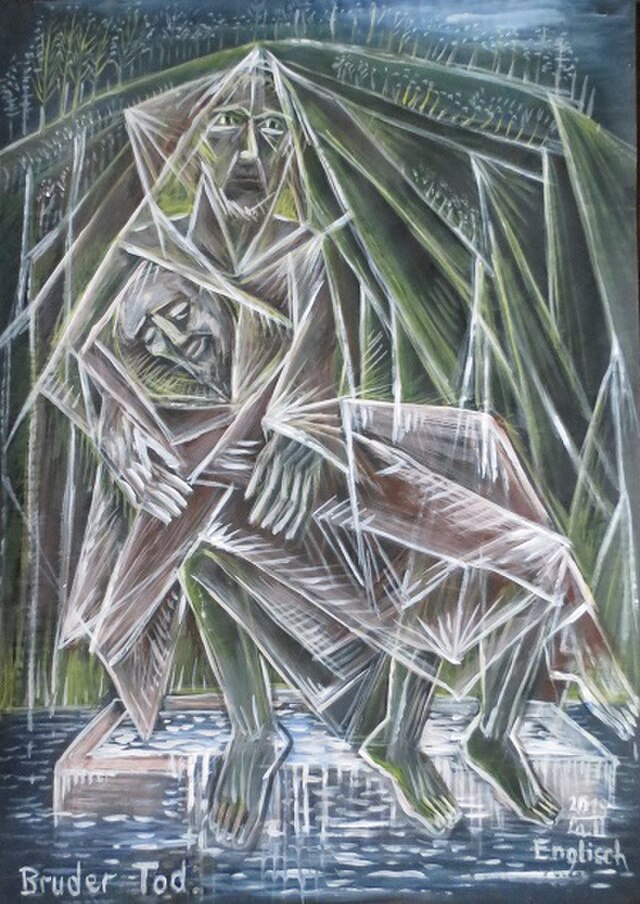
Sept 15
Scripture: John 2: 1-10
1 On the third day, there was a wedding at Cana in Galilee. The mother of Jesus was there, 2 and Jesus and his disciples had also been invited. 3 When the wine was exhausted, the mother of Jesus said to him, “They have no wine.” 4 Jesus responded, “Woman, what concern is this to us? My hour has not yet come.” 5 His mother said to the servants, “Do whatever he tells you.” 6 Now standing nearby there were six stone water jars, of the type used for Jewish rites of purification, each holding twenty to thirty gallons. 7 Jesus instructed the servants, “Fill the jars with water.” When they had filled them to the brim, 8 he ordered them, “Now draw some out and take it to the chief steward,” and they did so. 9 When the chief steward tasted the water that had become wine, he did not know where it came from, although the servants who had drawn the water knew. The chief steward called over the bridegroom 10 and said, “Everyone serves the choice wine first, and then an inferior vintage when the guests have been drinking for a while. However, you have saved the best wine until now.”
Meditation
From his article, "The Ecological Significance of the Eucharist," by Daniel Horan OFM
Others have likewise tied the celebration of the Eucharist — in which human creatures in all our finite corporeality and fragility gather in thanksgiving to receive the sacramental presence of Christ in earthen elements formed from wheat and wine — to the broader community of creation. Famously, Jesuit Fr. Pierre Teilhard de Chardin composed a poetic reflection on this theme titled "The Mass on the World" in his 1961 book Hymn of the Universe.
More recently, the late philosopher and spiritual writer Beatrice Bruteau wrote in a 1990 article titled "Eucharistic Ecology and Ecological Spirituality," that we needed to renew the story we tell about the Eucharist and the world. She called for a shared vision of our "Eucharistic planet," by which she meant that Christians would take seriously the significance of God's presence in the material world, especially in light of environmental catastrophes and the idolatrous application of Christian Scriptures to justify our ecological abuse of nonhuman creation. Bruteau explains:
A sense of the Eucharistic Planet, of the Real Presence of the Divine in the world, is something we need now for the protection of the planet. It may be that biblical religion has encouraged Western civilization to take unfair advantage of the natural environment under the belief that it was given to humanity by God for purposes of human exploitation and has no rights of its own. It may be that we need to tell ourselves a new story about how we fit into the general scene and what it's all about. I don't dispute that. But I would like to emphasize that on the basis of the Gospel we can say something quite constructive and very exciting that will give us the new story and a vision of the wholeness of the planet.
Such considerations of the connection between the Eucharist and the material world challenge us — especially in an age of catastrophic climate change — to rethink the relationship between our sacramental worship and the way we live our lives.
Musical Selection
Prayer