From his article "Special Year of Saint Francis: A Mirror for Our Age," by Séamus Mulholland OFM
Modern Christianity often promises self-esteem, personal empowerment, and the fulfilment of individual potential. Francis offers the cross. He understood that the self must be crucified, not celebrated; transformed, not affirmed; lost, not found. Our culture’s obsession with self-care, self-expression, and self-actualisation, even when dressed in Christian language, would have been incomprehensible to Francis, who saw the self as the primary obstacle to union with God.
The spiritual challenge is acute: Can we embrace a humility that allows us to be forgotten, overlooked, and considered insignificant? Can we find joy not in our achievements but in our poverty of spirit? Can we stop marketing ourselves, our ministries, our gifts, our spiritual experiences, and simply decrease so that Christ might increase? Francis calls us to an annihilation of ego that our therapeutic age finds intolerable, yet without which authentic holiness remains impossible.
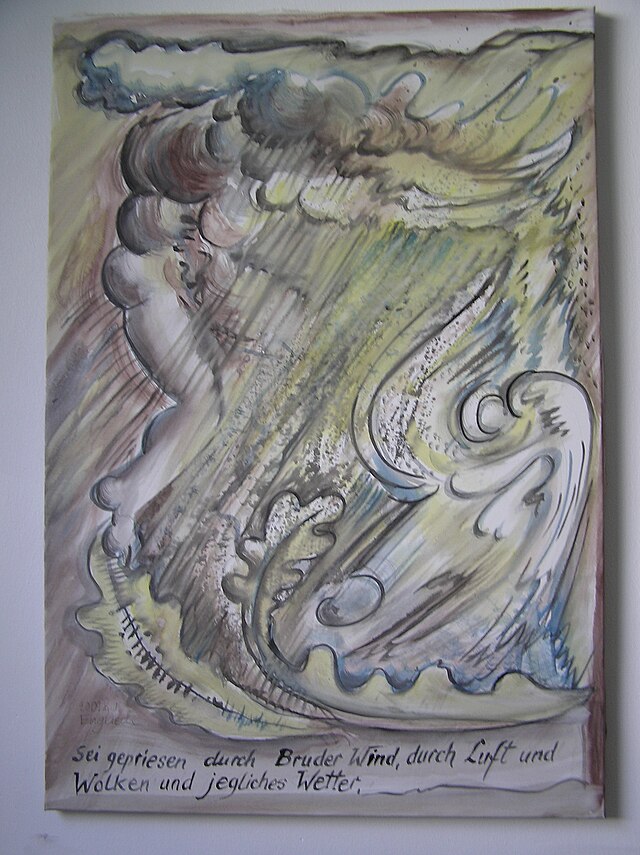
Francis’ famous canticle to Brother Sun and Sister Moon has been domesticated into environmental sentimentality, but his relationship with creation was far more radical than our modern ecological movements imagine. Francis did not merely appreciate nature or advocate for conservation; he recognised all creation as a cosmic family united in praise of the Creator. When he preached to birds or made peace with the wolf of Gubbio, he was not being whimsical, he was living in restored harmony with the created order, undoing the rupture caused by human sin.
Today’s ecological crisis is fundamentally a spiritual crisis, rooted in the same disordered loves Francis spent his life correcting. We have treated creation as a resource to exploit rather than a revelation to revere. Our environmental destruction flows from the same grasping, dominating spirit that Francis renounced when he embraced poverty. You cannot heal the earth while your heart remains colonised by greed.